



The elderly nutrition program is designed to meet the dietary needs of those aged 65 and above, ensuring both nourishment and enjoyment through community cooking classes.
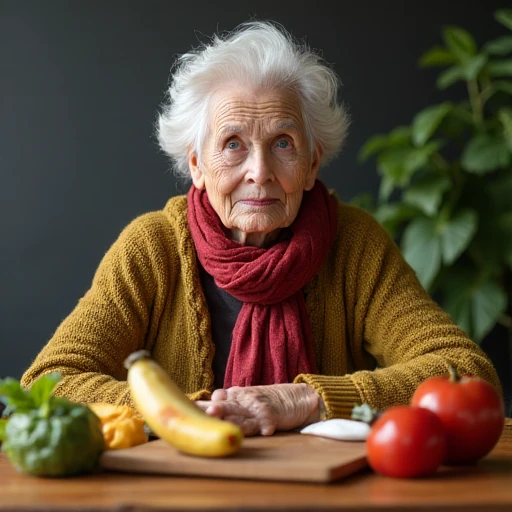
A healthy and balanced diet is essential for maintaining overall health, especially as we enter later stages of life. Seniors require particular attention to ensure their dietary intake covers the necessary vitamins, minerals, and nutrients in a way that supports their bodies’ changing needs. Let’s dive into what makes up a nutritious meal for those over the age of 65, exploring different food groups and offering tips for incorporating them into daily meals.
Fruits and Vegetables
Both fruits and vegetables are packed with vital minerals, vitamins, fiber, and antioxidants crucial for good health. It is recommended that adults eat at least five portions of these food items each day. For seniors, choosing a variety of brightly colored fruits and vegetables helps in achieving a diverse nutrition profile. For instance, dark green leafy vegetables like spinach and broccoli can provide iron and calcium, which become increasingly important as bone density decreases with age. Similarly, oranges or blueberries deliver vitamin C which is not only good for immunity but also aids in iron absorption.
Whole Grains
Picking whole grains instead of refined ones can increase intake of dietary fiber, which promotes gut health and can help reduce cholesterol levels. Fiber also keeps people feeling full longer, thereby supporting weight management. Ideal options include oatmeal, quinoa, barley, and brown or wild rice. A simple breakfast could include a bowl of oatmeal topped with berries and a drizzle of honey for a filling and nutritious start to the day.
Protein-Rich Foods
Maintaining muscle mass and strength becomes pivotal as we age. Ensuring adequate protein consumption helps achieve these goals. Good sources include poultry, fish, lean meats, legumes, eggs, nuts, seeds, and dairy products. Fish are especially beneficial due to their omega-3 fatty acids, which promote heart health. Eggs are another versatile source, providing high-quality protein together with essential minerals and vitamins like B12, D, and zinc.
Dairy Products
Dairy provides us with calcium and vitamin D, which help maintain bone health. However, choosing low-fat or fat-free options can aid in reducing saturated fats and cholesterol. Yogurt is a particularly beneficial choice because it can offer probiotics, which support digestive health. Fortified dairy products like milk and yogurts with added vitamin D can especially benefit older adults, as their skin becomes less efficient at synthesizing vitamin D from sunlight.
Hydration
As we grow older, our sense of thirst tends to diminish. Therefore, it’s very important for seniors to make an active effort to stay hydrated by drinking plenty of water throughout the day. Besides water, other hydrating beverages include decaffeinated tea, clear broths, and naturally sugar-free juices. It’s beneficial to incorporate water-rich foods such as melons, cucumbers, and celery into your diet, too.
Limitation of Sodium and Sugar Intake
To help reduce the risk of high blood pressure and other chronic conditions associated with aging, cutting down on sodium and sugar is highly recommended. Reducing the use of salt can be achieved by seasoning dishes with herbs and spices instead. Opting for whole, unprocessed foods whenever possible minimizes excess sodium and sugars. When purchasing packaged goods, reading the nutrition label to choose products lower in added sugars is advised.
Community Cooking Classes
Participating in community cooking classes can be incredibly rewarding both socially and nutritionally speaking. These classes not only offer hands-on experience with preparing wholesome meals but also provide opportunities to connect with peers who share similar interests. Such interactions reduce feelings of isolation and contribute positively towards mental well-being, making eating healthier a communal affair.
For further guidance on senior nutrition needs, consider consulting professionals specializing in geriatric care or registered dietitians who can offer tailored advice suited to individual requirements. Resources like Need Nurse Group can be valuable for those seeking more specialized assistance within specific regions.
Incorporating these nutritional guidelines can significantly enhance the quality of life for elderly individuals. By understanding and applying these principles, you’ll not only fuel your body effectively but also enjoy the journey of aging gracefully. Remember, every step towards better nutrition is an investment in your long-term health. If you’re looking for expert advice or need further personalized guidance, platforms like LINE Official offer easy access to experienced registered nurses who can provide the support you need in your local area. Start your wellness journey today!