




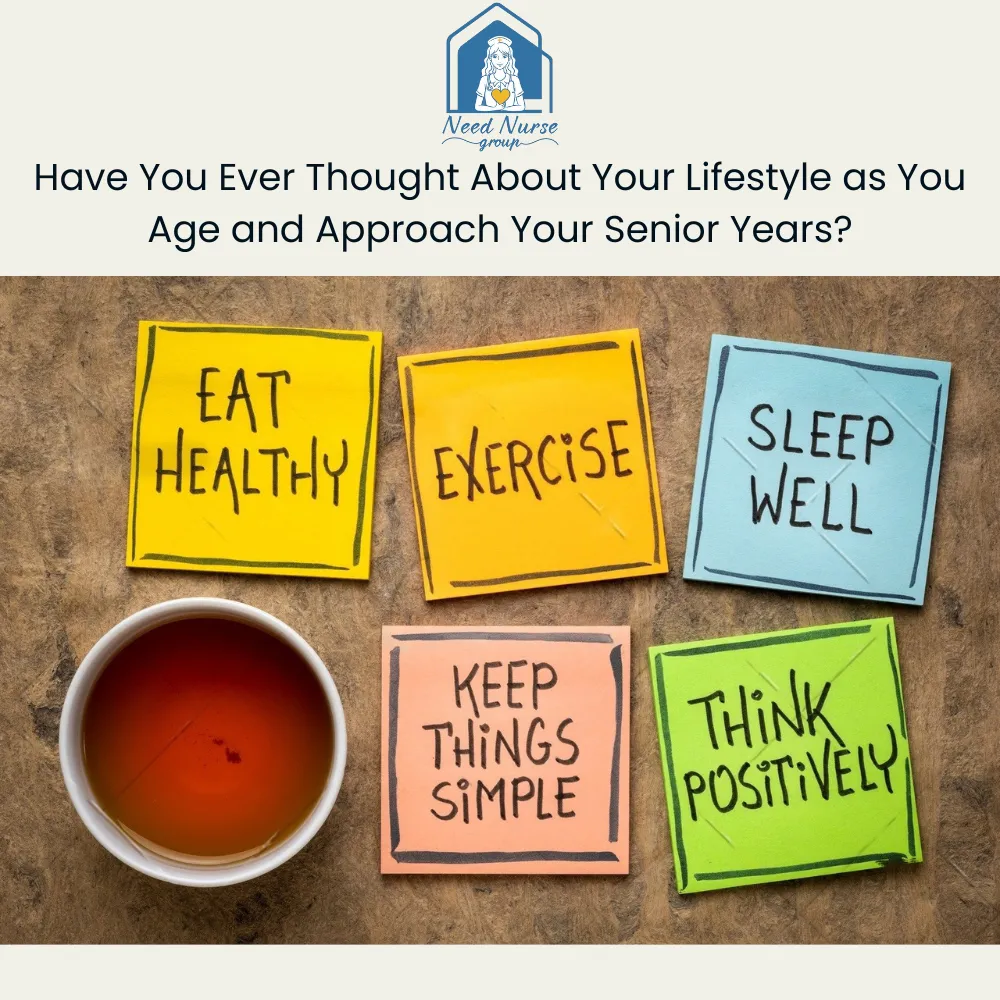
Have You Ever Thought About Your Lifestyle as You Age and Approach Your Senior Years?
Aging is a natural process that affects everyone, shaped by key factors such as lifestyle, social engagement, and health routines. Seniors lifestyle choices—including diet, physical activity, and social interaction—play a pivotal role. A senior lifestyle focused on balance and adaptability can enhance the elderly life stage and extend the elderly life span while promoting overall well-being.
What Are the Aging Stages of Elderly Life?
Aging stages represent the progression of life as seniors transition through different phases characterized by unique physical, mental, and emotional changes.
Young-Old Stage (Ages 60-74)
This stage is marked by independence, an active social life, and continued involvement in hobbies or part-time work. Many maintain good physical health, though some adjustments may begin to accommodate aging-related changes.
Middle-Old Stage (Ages 75-84)
Seniors in this stage may experience a decrease in physical strength and mobility, leading to a need for occasional assistance. Emotional and social support become increasingly important as they adapt to more noticeable changes in their routines.
Old-Old Stage (Ages 85 and above)
This stage often involves significant changes in physical and cognitive function, with many requiring comprehensive care and support. Despite these challenges, maintaining social connections and focusing on quality of life remain essential.
Each stage reflects life reflections, such as life in your 50s, transitions during life in your 60s and life in your 70s, and preparations for life after 65. These stages highlight the importance of life satisfaction, meaningful personal stories, and senior quality of life.
What Are the Lifestyle Factors That Affect Elderly Health?
To understand the term “lifestyle factors,” it refers to the behaviors, habits, and external influences that directly impact health and well-being. These factors answer questions like what are the factors that influence lifestyles and highlight how lifestyle affects health.
Definition of Lifestyle Factors: Lifestyle factors are elements related to daily habits, such as nutrition, exercise, and environment, that influence a person’s physical and mental health. Understanding these factors is crucial in evaluating lifestyle effects on health.
Lifestyle Factors That Influence Health:
- Nutrition and Diet 🥗🥩🥛: A balanced diet supports chronic disease prevention.
- Physical Activity 🚶♂️🏋️♀️🧘♀️: Regular exercise maintains mobility and strength.
- Social Interaction and Emotional Health 🗨️👥❤️: Staying socially connected enhances mental well-being.
- Mental Stimulation 🧠📚🧩: Activities like reading and puzzles support cognitive health.
- Sleep Patterns 🌙🛌😴: Quality sleep aids in memory retention and energy levels.
- Stress Management 🌊🧘♂️🕯️: Relaxation techniques reduce stress and improve mood.
- Substance Use (Alcohol, Smoking) 🚫🍷🚬: Limiting alcohol and quitting smoking boosts overall health.
- Healthcare Management 🏥💊📋: Regular check-ups ensure timely management of chronic conditions.
- Hydration 💧🚰🥤: Drinking adequate water prevents dehydration and supports digestion.
- Environmental and Living Conditions 🏡🛋️🔦: Safe and hazard-free homes reduce accident risks.
1. Nutrition and Diet
Nutrition plays a central role in maintaining physical and mental well-being among seniors. A diet rich in whole foods such as vegetables, fruits, lean proteins, and whole grains supports energy levels and immune function, reducing the risk of chronic conditions like heart disease and diabetes. Research has shown that older adults who maintain a Mediterranean-style diet have better cognitive function and longevity (Smith et al., 2018). In contrast, diets high in processed foods, sugar, and unhealthy fats can lead to obesity, hypertension, and inflammatory diseases. Positive impacts include better nutrient absorption and improved mobility, while negative effects from poor dietary choices may include nutrient deficiencies, weakened bones, and increased fall risks due to muscle loss. This underscores how proper nutrition supports life satisfaction and prolongs independence for the elderly.
2. Physical Activity
Physical activity plays a crucial role in elderly health by maintaining strength, balance, and cardiovascular health. Regular movement, such as walking or low-impact exercise, improves bone density, reduces the risk of falls, and boosts mental health through the release of endorphins. Evidence shows that seniors who engage in consistent physical activity experience lower rates of chronic disease and enhanced mobility (Johnston et al., 2020). However, a sedentary lifestyle increases muscle atrophy, weakens joints, and raises the risk of heart disease. Positive impacts include improved mental clarity and physical resilience, while negative outcomes from inactivity may include mobility issues and heightened fall risk.
3. Social Interaction and Emotional Health
Social engagement is a crucial element of senior quality of life. Frequent interaction with family, friends, or community groups enhances mental health and provides emotional support, contributing to reduced stress and a stronger sense of purpose. Studies indicate that seniors who maintain social connections have a lower risk of developing depression and cognitive decline (Johnson et al., 2019). In contrast, social isolation can increase the risk of anxiety, loneliness, and even physical health problems, such as high blood pressure. Positive impacts include improved mental clarity, emotional resilience, and overall life satisfaction, while negative impacts may lead to increased vulnerability to mental health disorders and a decline in life span.
4. Mental Stimulation
Mental stimulation is essential for maintaining cognitive function and supporting memory retention in elderly adults. Engaging in intellectually stimulating activities such as reading, puzzles, or learning new skills can delay the onset of cognitive decline and reduce the risk of dementia. Research shows that seniors who regularly engage in brain-training activities have slower memory loss and better mental processing speed (Brown et al., 2021). Positive impacts include improved concentration, sharper problem-solving abilities, and greater emotional resilience. However, a lack of mental activity may accelerate memory lapses, lead to confusion, and increase vulnerability to neurodegenerative diseases. This underscores the importance of creating opportunities for ongoing cognitive engagement to maintain a high quality of life.
5. Sleep Patterns
Sleep plays a crucial role in restoring the body and maintaining cognitive function in elderly adults. Quality sleep helps regulate mood, improve memory, and support immune function. Research indicates that seniors who get 7-8 hours of uninterrupted sleep experience lower rates of memory loss and better physical health (Anderson et al., 2020). Positive impacts include enhanced energy levels, emotional stability, and reduced risk of chronic conditions. On the other hand, insufficient sleep or sleep disorders like insomnia can lead to fatigue, increased irritability, impaired memory, and a higher risk of falls. This underscores the importance of promoting healthy sleep hygiene to support overall well-being.
6. Stress Management
Managing stress is essential for maintaining both mental and physical health in the elderly. Stress management techniques such as meditation, breathing exercises, and mindfulness help lower cortisol levels, reduce blood pressure, and improve mood stability. Studies have shown that seniors who practice relaxation methods report lower instances of anxiety and depression (Green et al., 2019). Positive impacts include improved cardiovascular health, stronger immune response, and better emotional resilience. However, chronic stress can exacerbate existing conditions like hypertension, lead to poor sleep patterns, and increase the risk of cognitive decline. This highlights the need for structured stress-reduction practices to enhance elderly quality of life.
7. Substance Use (Alcohol, Smoking)
Substance use, including alcohol and smoking, significantly impacts elderly health. Limiting or avoiding these substances can improve cardiovascular and respiratory health, support liver function, and reduce cancer risk. Evidence indicates that seniors who abstain from smoking and limit alcohol consumption have lower rates of chronic diseases and longer life expectancy (Miller et al., 2019). Positive impacts include improved lung capacity, stable blood pressure, and healthier immune responses. Conversely, excessive alcohol intake or continued smoking can cause organ damage, contribute to cognitive decline, and increase vulnerability to conditions such as liver cirrhosis, stroke, and respiratory diseases. This underscores the importance of substance use reduction programs to enhance elderly well-being.
8. Healthcare Management
Effective healthcare management is essential for maintaining health and independence among elderly individuals. Routine medical check-ups, preventive screenings, and adherence to prescribed treatments help detect potential health issues early and manage chronic conditions effectively. Evidence suggests that seniors who attend regular check-ups experience lower rates of emergency hospitalizations (Williams et al., 2021). Positive impacts include better chronic disease control, improved medication adherence, and a higher quality of life. Conversely, neglecting healthcare management can lead to delayed diagnoses, worsened health conditions, and an increased risk of complications. This highlights the importance of maintaining consistent healthcare routines for long-term well-being.
9. Hydration
Staying hydrated is vital for maintaining physiological functions in elderly adults. Adequate water intake supports digestion, nutrient absorption, and temperature regulation. Studies show that seniors who stay properly hydrated experience lower risks of urinary tract infections and improved cognitive function (Lee et al., 2021). Positive impacts include enhanced energy levels, healthier skin, and better kidney function. Conversely, inadequate hydration can lead to dehydration, causing dizziness, confusion, and kidney issues. It is essential for elderly individuals to maintain regular fluid intake to prevent health complications and support overall well-being.
10. Environmental and Living Conditions
The living environment plays a crucial role in elderly health by impacting safety, comfort, and emotional well-being. A clean, well-lit, and hazard-free home can reduce the risk of falls and support mobility, especially for seniors with limited movement. Research shows that seniors who live in safer environments with accessibility adaptations experience fewer hospitalizations related to falls and injuries (Thompson et al., 2022). Positive impacts include improved mental peace, independence, and reduced stress. In contrast, poor living conditions, such as cluttered spaces and lack of safety installations, can lead to anxiety, depression, and increased physical injuries. This underscores the importance of modifying homes to meet the changing needs of seniors and ensure a high quality of life.
The role of lifestyle factors—including diet, physical activity, social habits, and healthcare management—directly shapes senior quality of life. Adopting healthy routines supports improved life satisfaction, enhanced longevity, and emotional resilience. The definition of lifestyle factors highlights the importance of balanced choices in daily habits such as nutrition, activity, and regular health management. Seniors who prioritize these life factors benefit from better chronic disease prevention, mental clarity, and overall independence, while neglecting them can lead to decreased quality of life and higher health risks.
Lifestyle factors definition underscores that life factors—including diet, activity, social habits, and healthcare management—play a central role in shaping senior quality of life. Seniors who adopt healthy routines benefit from improved life satisfaction and extended longevity.
What Should You Do to Maintain a Healthy Lifestyle?
Maintaining a healthy lifestyle for seniors involves a balanced approach that supports both physical and mental well-being. A healthy lifestyle for older adulthood prioritizes nutrition, regular physical activity, mental stimulation, and social connections. For example, healthy living tips for seniors often include engaging in daily walks, eating nutrient-dense meals, and participating in community activities to foster emotional well-being. By following health tips for seniors, such as maintaining hydration and scheduling regular healthcare visits, seniors can reduce the risk of chronic conditions and promote healthy aging.
To maintain an elderly healthy lifestyle, focus on these key elements:
- Healthy Diet: Incorporate fruits, vegetables, whole grains, and proteins to support energy levels and immune function.
- Physical Activity: Stay active with activities like walking, stretching, or yoga.
- Social Interaction: Stay connected with family, friends, or senior groups to boost emotional health.
- Sleep and Stress Management: Prioritize quality sleep and practice mindfulness to lower stress.
- Preventive Healthcare: Schedule regular medical check-ups and follow personalized health plans.
Do you know about the aging process, its causes, and the physical and mental effects on the elderly?
Aging Process, Causes, and Physical/Mental Effects: Aging is a multifactorial biological process influenced by genetics, oxidative stress, and cellular changes. Understanding the science behind aging, including terms like “cellular senescence” and “telomere shortening,” highlights how the body ages and why some seniors experience different aging outcomes. This provides a foundation for further exploring how lifestyle factors support healthier aging outcomes.
The aging process is a complex biological progression influenced by both internal and external factors. Scientific research explains that aging involves cellular and systemic changes that impact overall health. Some of the common causes of aging include genetic programming, oxidative stress from free radicals, and chronic inflammation, which accelerate cellular wear and tear.
The process of aging begins with gradual changes at the molecular and cellular levels. “Cellular senescence,” or the loss of a cell’s ability to divide, and “telomere shortening”—where protective caps on chromosomes erode—are key biological markers of aging.
Causes of Aging:
- Genetics: Some genetic factors predispose individuals to faster aging.
- Oxidative Stress: Free radicals damage cells over time.
- Chronic Inflammation: Prolonged inflammation accelerates tissue degeneration.
Aging Factors and Their Effects:
- Physical Effects: Muscle mass and bone density decrease, and skin becomes thinner and more prone to wrinkles.
- Mental Effects: Cognitive processing slows, leading to memory lapses, while anxiety and depression may increase.
Understanding these aging factors provides insights into how seniors can adopt better routines for healthier aging and how external influences shape the impacts of aging on the body and mind.
What Advice Is There for Improving the Lives of the Elderly?
Improving the lives of seniors involves understanding their needs and incorporating practical advice from both experts and older adults who share their experiences. Many seniors emphasize the importance of staying socially active, maintaining routines, and finding purpose. “Advice from elders” often includes simple but impactful life tips such as fostering gratitude and staying curious about learning new things.
Seniors advice can range from emotional guidance to practical wellness tips. Social interaction, maintaining hobbies, and daily gratitude practices have been proven to boost mental health and longevity.
Tips from the Elderly and Experts:
- Foster Social Connections: Engage in group activities and community events.
- Stay Physically Active: Incorporate daily movement suited to one’s health.
- Promote Mental Engagement: Encourage reading, puzzles, or new skills.
- Maintain Emotional Health: Practice mindfulness or seek support when needed.
- Ensure Safety: Modify homes for fall prevention.
Scientific studies highlight that seniors who follow these wellness tips report improved life satisfaction and reduced cognitive decline (Johnson et al., 2020). Incorporating their lived wisdom helps improve both physical and emotional well-being.
What Are Common Financial Planning and Life Insurance Options for the Elderly?
Financial planning and life insurance options are essential for ensuring peace of mind and security during later years. Financial planning involves creating strategies for managing income, savings, and healthcare costs, while life insurance provides financial support to cover final expenses and medical needs. Key options include policies designed for minimal medical examinations and elderlife financial services tailored for veterans and retirees.
Financial planning for seniors includes budgeting for healthcare, housing, and unexpected costs, while life insurance options cover end-of-life expenses or provide financial support to dependents. “Elderly life insurance policies” may include simplified plans that do not require extensive medical exams, making them more accessible for individuals with health issues such as heart failure, kidney failure, lung cancer, or bone cancer.
Examples and Use Cases:
- Life Insurance: Beneficiaries can use payouts to cover medical bills or ongoing care for chronic conditions.
- Long-Term Care Insurance: Helps fund home healthcare and nursing services.
- Estate Planning Services: Ensures assets are managed and passed on according to personal wishes.
These financial strategies support independence and quality of life, especially when dealing with serious health conditions, and reduce the financial burden on families.
What Are the Common Health Issues and Life Expectancy for the Elderly?
Understanding the health challenges faced by seniors helps improve their quality of life and prepare for future needs. Life expectancy refers to the average number of years a person is expected to live based on current health and demographic data. Health issues like heart failure, kidney failure, lung cancer, and bone cancer often influence these figures. Common health concerns among the elderly include both chronic and acute conditions that significantly impact life expectancy. “Elderly life expectancy calculators” use variables such as health history, lifestyle, and chronic diseases to estimate individual projections.
Common Health Issues Impacting Life Expectancy:
- Chronic Conditions: Diabetes, heart disease, hypertension.
- Neurological Disorders: Alzheimer’s disease, dementia.
- Respiratory Illnesses: Pulmonary fibrosis, fluid in the lungs.
- Cancer Types: Lung cancer, bone cancer, acute leukemia.
- Organ Failure: Kidney failure, heart failure.
- Injuries and Complications: Broken femurs, aspiration pneumonia, and dysphagia.
Life Expectancy for Seniors: According to evidence, the presence of these health issues can lower the average life span. For example, studies show that seniors with advanced heart failure may have a median survival of 2-3 years, while those with untreated bone cancer face shorter prognoses.
Understanding these health conditions and their effects underscores the importance of preventive care and regular check-ups to extend both the life span and quality of life.
How Can Innovation Help the Elderly as a Tool for Improving Quality of Life?
Innovations enhance elderly quality of life by promoting independence, safety, and access to healthcare. Tools such as wearable devices, home automation, and telehealth solutions help seniors maintain daily routines and manage health.Technologies like fall-detection devices and smart home systems improve safety and convenience. Telehealth reduces the need for in-person visits, offering remote care and quick support during emergencies.
Key Benefits:
- Safety: Emergency alerts and sensors prevent delays in receiving help.
- Comfort: Voice-controlled appliances allow easy home management.
- Healthcare Access: Remote consultations ensure timely care.
Scientific evidence confirms that seniors using assistive technology experience fewer hospitalizations and a stronger sense of security (Thompson et al., 2022). This demonstrates how innovations can support healthier, independent living.
Did you know that there are innovations to make elderly life easier?
Innovations and tools are designed to make elderly life easier by improving convenience, safety, and independence.Innovations fall into two categories: lifestyle support systems and planning tools that encourage reflection.
- Lifestyle Support Systems: These include life alert systems for quick assistance, wearable devices for emergency alerts, and thoughtful gifts that make daily activities simpler. Examples such as things to make elderly life easier include smart home solutions that monitor wellness and prevent accidents.
- Planning and Reflection: Resources like elderly life planning templates and review journals help seniors reflect on their journey and plan for future care decisions with clarity.
Overall, these innovations align with the central theme of the article: adopting healthier routines and maintaining independence. By starting with a mindset of adaptability and embracing supportive technologies, seniors can enhance their lifestyle as they age and approach later years with confidence.By considering these lifestyle factors, understanding the biological processes of aging, and leveraging modern innovations, elderly individuals can lead longer, healthier, and more fulfilling lives.